Forbes: MODUS X AI solutions are already saving businesses millions of hryvnias
Artificial Intelligence
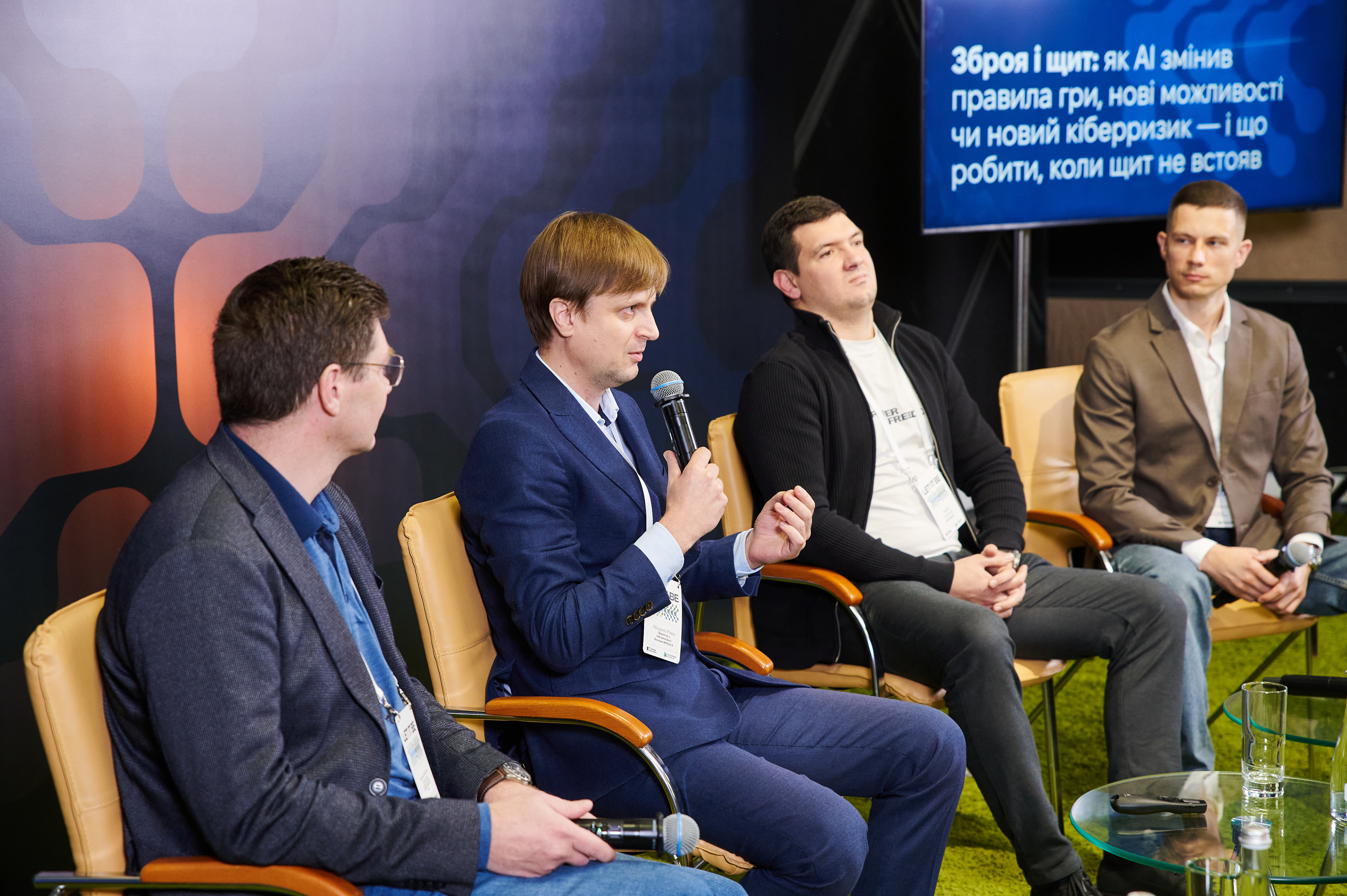
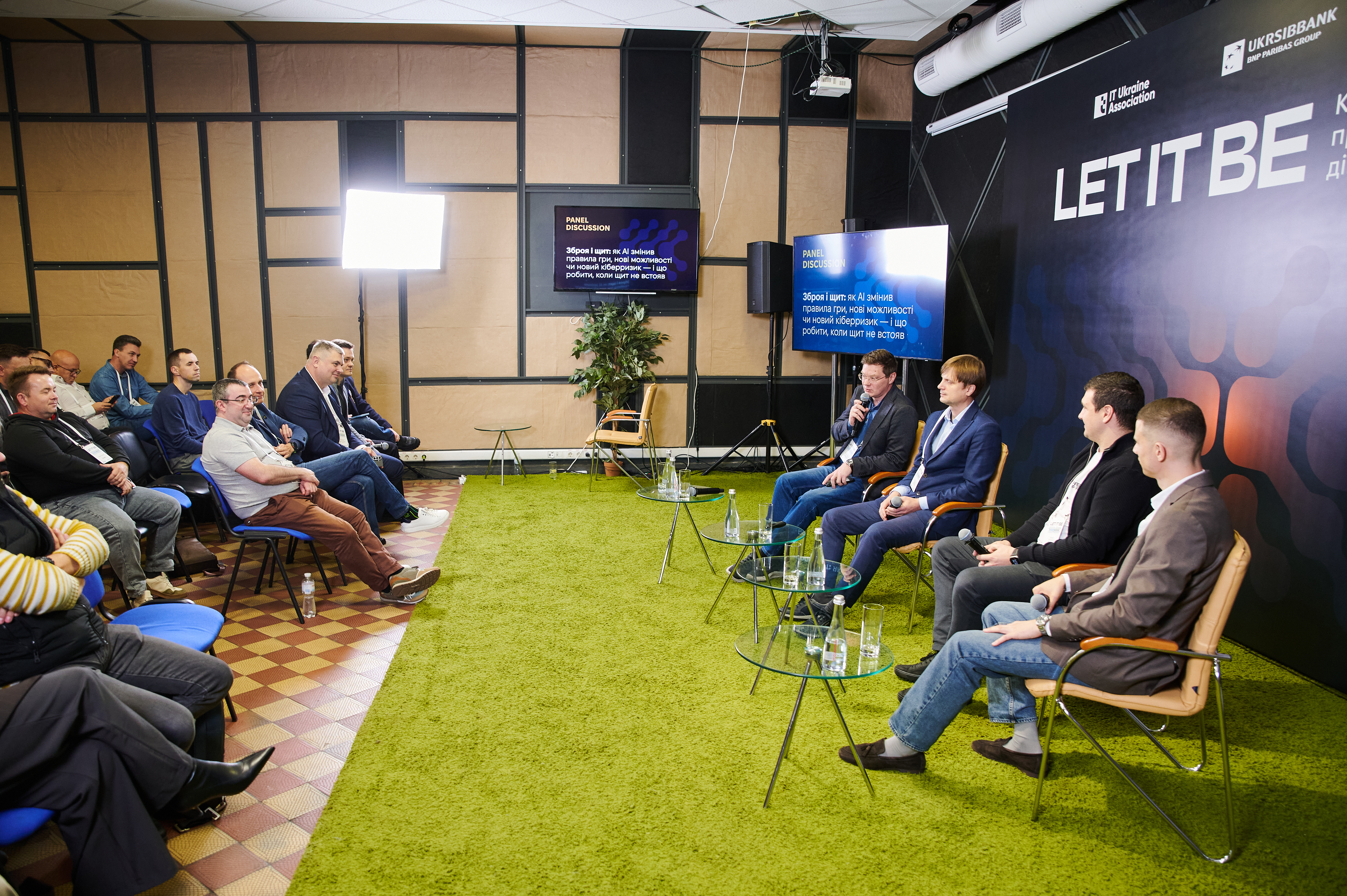
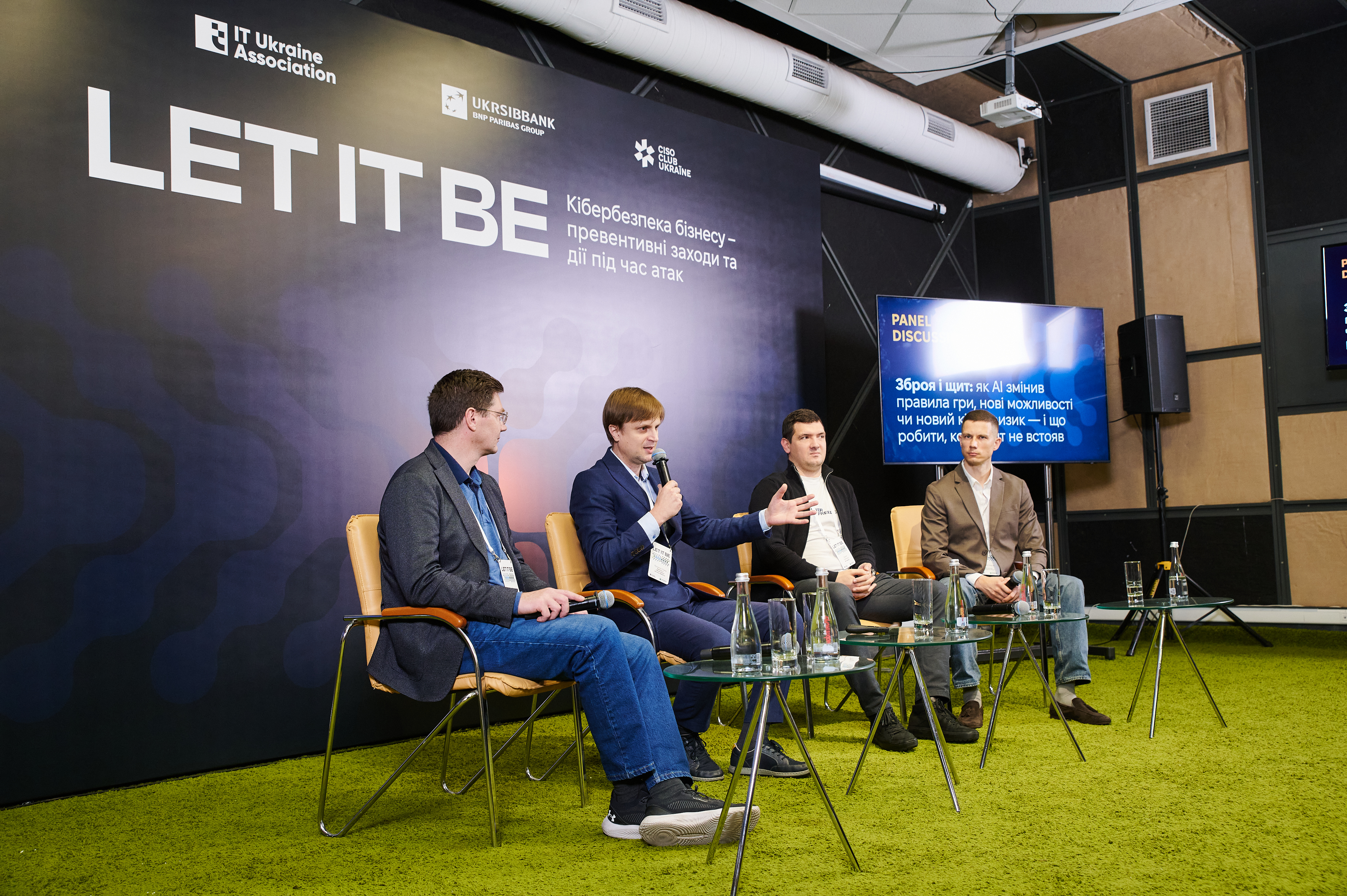
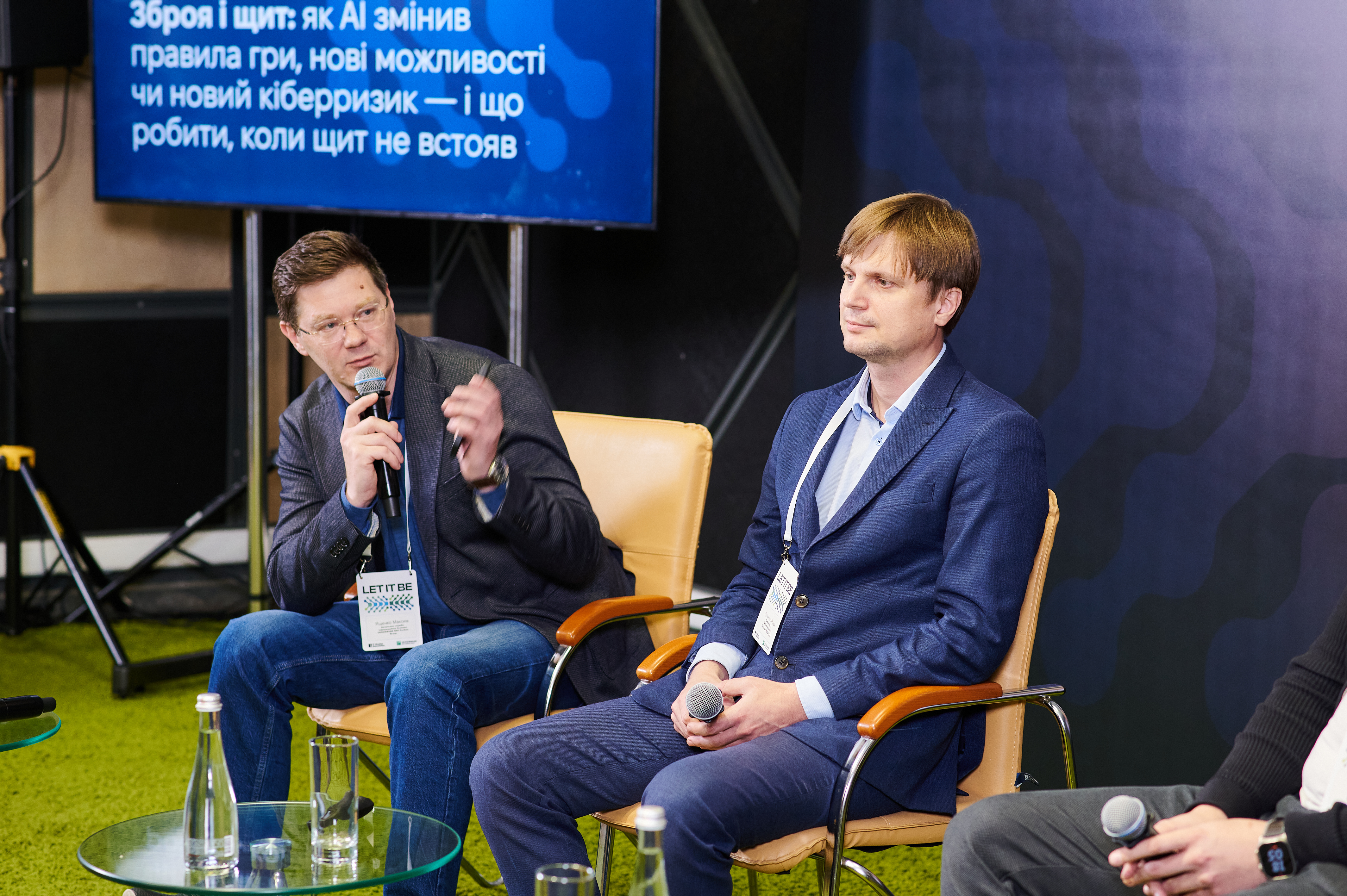
Roman Yaroshenko, Information Security Director at MODUS X, took part in the panel discussion “Weapon and Shield: How AI Has Changed the Rules of the Game, New Opportunities or New Cyber Risks—and What to Do When the Shield Fails.” The panel took place on 27 October in Kyiv as part of LET IT BE, an event titled “Business Cybersecurity: Preventive Measures and Actions During Attacks,” organised by the IT Ukraine Association with the support of UKRSIBBANK BNP Paribas Group.
The event brought together more than 100 participants, including small and medium-sized business owners and senior executives, IT leaders, CIOs, CISOs, chief operating officers, and entrepreneurs already using or planning to adopt artificial intelligence. Over four hours, more than ten experts and practitioners discussed who attacks businesses and why, how to protect a company without a multimillion-dollar budget, what to do when an attack occurs, and how AI is changing the rules of cybersecurity.
The “Weapon and Shield” panel concluded the main programme, bringing together the event’s two central themes: artificial intelligence as both an emerging threat and a tool for defence.
According to Roman, artificial intelligence has significantly lowered the barrier to entry for cybercriminals. Attacks are becoming automated, large-scale, and increasingly targeted. AI-generated phishing emails are difficult to distinguish from legitimate messages: they use flawless language, reflect the company’s context, and mimic the writing styles of colleagues or partners. Voice and video deepfakes add another layer of risk, enabling social engineering and payment fraud.
Roman cited a widely reported incident that took place in Hong Kong in 2024. An employee of the British engineering firm Arup was invited to a video conference. On screen were the company’s chief financial officer and several colleagues. The faces and voices were familiar, and nothing in the conversation seemed suspicious. When asked to make a series of financial transfers, the employee complied, transferring approximately $25 million in total. Only later did it emerge that everyone else on the call had been an AI-generated deepfake.
The incident shows that businesses can no longer rely solely on what they see and hear. If a major international company can fall victim to such an attack, small and medium-sized businesses may be even more vulnerable, as they often lack dedicated security teams and clear verification and incident response procedures.
At the same time, these technologies also strengthen cyber defenders. Roman explained how AI helps detect anomalies faster, analyse large volumes of security events, prioritise incidents, and automate analysts’ routine tasks. This reduces the time between threat detection and response, a factor that often determines the extent of an attack’s impact.
Roman stressed that technology does not replace people and processes. AI tools are effective only when a company has clear data handling policies, access controls, a trained team, and regular security assessments. Another challenge is ensuring that employees use AI safely: businesses should define which services are permitted and which data must never be shared with them.
The central focus of the presentation was the question of what to do if the security measures do fail. Roman emphasised that no system offers a 100 per cent guarantee, so being prepared for an incident is no less important than preventing it. Those responsible for the response must be appointed in advance, the action plan must be documented, and the team must know who to involve and in what order: IT, management, legal, communications, and, if necessary, external partners.
“AI is both a weapon and a shield. Cybercriminals are already using it to attack faster and more precisely, so businesses cannot afford to rely on yesterday’s defences. Yet no technology offers a complete guarantee. Beyond building strong defences, companies need to know in advance who does what when the shield fails. The speed and coordination of the response determine how severe the impact of an attack will be,” stressed Roman Yaroshenko.
To sum up the discussion, Roman outlined a few steps the company can take starting today, even without a large cybersecurity budget:
Establish core information security tools and processes, regardless of whether the company uses AI. For example, a lack of multifactor authentication for access to corporate systems makes it significantly easier for attackers to gain access
Train employees regularly to recognise phishing, including AI-generated messages, and verify unusual payment requests through a separate communication channel
Back up critical data and regularly test recovery from backups
Assign clear responsibilities and approve an incident response plan
Implement technical tools to monitor and control AI use within the company
Define rules for using AI services and specify which data must never be shared with them
MODUS X’s participation in LET IT BE continues its open dialogue with the business community on cyber security practices. The company’s cyber security team works daily to protect the infrastructure of the DTEK Group and its clients, and we are sharing this expertise to help Ukrainian companies become more resilient to cyber threats.
MODUS X is a Ukrainian technology company, part of DTEK Group, providing professional IT services and solutions for large and medium-sized businesses in Ukraine and abroad.
The company has more than 900 experts, drives digital transformation, implements innovative technologies to improve business efficiency, and develops its own products.
MODUS X's main technology areas are data management and artificial intelligence, business application development and implementation, IT infrastructure, cybersecurity, modern workplace and technical support, and IT consulting.
The company partners with leading IT industry players such as Microsoft, SAP, Creatio, IBM, Lenovo, Trend Micro, Check Point, Cohesity, Tenable and others.